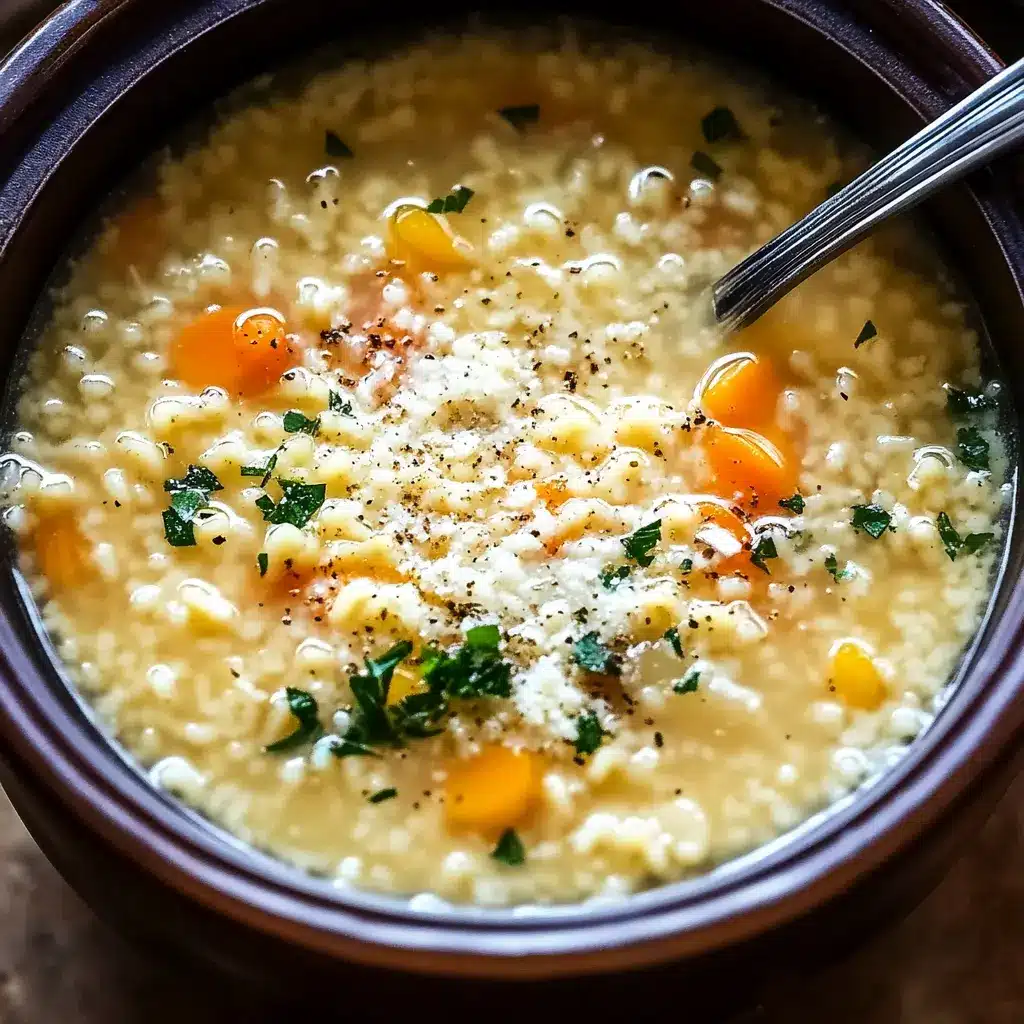
Italian Penicillin: Unpacking Pastina Soup's Healing Comfort
There are certain dishes that transcend mere sustenance, becoming a warm embrace, a whisper of home, and a powerful balm for both body and soul. For millions, especially those with Italian heritage, that dish is a simple yet profound bowl of pastina soup. Revered as "Italian Penicillin," this comforting concoction has earned its legendary status not just for its ease of preparation, but for its remarkable ability to soothe, nourish, and evoke a deep sense of well-being, whether you're battling a cold, mending a broken heart, or simply seeking a taste of pure, uncomplicated love. More than just a blend of tiny pasta and savory broth, pastina soup is a culinary narrative, a story passed down through generations in kitchens where the aroma of simmering goodness was a constant. It represents the quintessential Italian approach to care: wholesome, heartfelt, and deeply rooted in tradition. This article delves into the rich tapestry of pastina soup, exploring its historical roots, its "healing" magic, and how you can bring this iconic comfort food into your modern kitchen.The Enduring Legacy: A Taste of Italian Heritage
The very name "pastina" offers a clue to its essence, simply meaning "little pasta" in Italian. Yet, this diminutive description belies the monumental role this dish plays in Italian culture. For countless Italians and Italian-Americans, pastina soup isn't just a meal; it's often one of the very first foods they ever tasted, a gentle introduction to the culinary world. Mothers and grandmothers meticulously prepared it for teething infants, for children recovering from illness, or whenever a simple gesture of affection was needed. Its unpretentious nature meant it was accessible to all, irrespective of wealth or region, proving that true comfort requires neither extravagance nor complexity. From humble beginnings with homemade chicken broth simmering for hours, to a quick preparation with a bouillon cube and water, the consistency was always clear: pastina soup delivered warmth, sustenance, and a palpable sense of care. This deep-seated tradition has cultivated an emotional bond that transcends mere ingredients. Every spoonful carries with it a story of familial love, nourishment, and a culinary heritage lovingly passed from one generation to the next. The memories of a Nonna humming a folk song while stirring a pot that seemed to bubble with pure affection are etched into the hearts of many, making pastina soup a potent symbol of nostalgia and belonging. To truly grasp the depth of this tradition, delve into Nonna's Legacy: Your Complete Guide to Authentic Pastina Soup.Why "Italian Penicillin"? Decoding Its Healing Power
The moniker "Italian Penicillin" is far from an accident; it's a testament to centuries of anecdotal evidence and heartfelt belief. Much like chicken soup in various other cultures, pastina soup is the go-to remedy during cold and flu season, or whenever the body feels run down and weary. But what precisely gives this unassuming dish such profound "healing" qualities? The magic lies in its ingenious simplicity and the synergistic effect of its core components: * Warm, Hydrating Broth: The foundation of any good pastina soup is a flavorful broth, typically chicken or vegetable. Warm liquids are crucial for soothing sore throats, clearing nasal passages, and preventing dehydration, a common side effect of illness. The steam from a hot bowl of pastina soup can also act as a natural decongestant. * Easy-to-Digest Pastina: The tiny pasta grains are incredibly gentle on a sensitive stomach. When you're feeling unwell, the last thing you want is heavy, complex food. Pastina provides easily digestible carbohydrates for energy without taxing the digestive system, making it ideal for recuperation. * Immune-Supporting Aromatics: Many traditional recipes incorporate garlic and onion, staples in Italian cuisine. These ingredients are known for their immune-boosting properties, containing compounds like allicin (in garlic) that can offer anti-inflammatory and antimicrobial benefits. * Comforting Parmesan Cheese: A sprinkle of freshly grated Parmesan adds a delightful umami depth, along with calcium and a boost of protein. Beyond its nutritional value, the rich, savory flavor contributes significantly to the overall psychological comfort, making the soup feel more satisfying and luxurious. * Optional Egg Ribbons: Stirring in a whisked egg towards the end of cooking adds a silky richness and an extra dose of easily digestible protein, further enhancing the soup's nourishing profile and making it feel like a true "hug in a bowl." Beyond the physical benefits, there's a powerful psychological component. The act of being served a warm bowl of pastina soup, often prepared by a loved one, triggers feelings of security, care, and nostalgia. This emotional comfort can significantly aid in the healing process, reducing stress and promoting a sense of well-being that contributes to recovery.Crafting Your Own Bowl of Comfort: Tips and Variations
Creating a perfect bowl of pastina soup is refreshingly simple, making it an accessible comfort food for anyone. While the basic formula is steadfast – broth, pastina, salt, and Parmesan – there's ample room for personal touches and adaptations.The Core Recipe:
- Choose Your Broth: Start with a high-quality chicken or vegetable broth. Homemade is ideal for depth of flavor, but a good store-bought low-sodium option works perfectly.
- Cook the Pastina: Bring the broth to a gentle simmer. Add your chosen pastina (stelline, anellini, or even acini di pepe are popular choices). Cook according to package directions, usually 5-8 minutes, until al dente. A crucial tip for avoiding mushy soup, especially if you plan on leftovers, is to cook the pastina separately and add it to the broth just before serving, or to use slightly less pastina initially.
- Season and Garnish: Taste and adjust salt and pepper. Stir in a generous knob of butter if desired. Ladle into bowls and finish with a sprinkle of fresh Parmesan cheese. For extra richness and protein, slowly drizzle in a whisked egg while stirring continuously to create delicate ribbons.
Elevating Your Pastina Soup:
- Vegetable Boost: Finely diced carrots, celery, or spinach can be added to the broth for extra nutrients and flavor. Add them during the last few minutes of simmering, or earlier if you prefer them very tender.
- Protein Power-Up: Shredded cooked chicken (perfect for using up leftovers), tiny meatballs, or even white beans can transform pastina soup into a more substantial meal.
- Herbaceous Notes: Fresh parsley or basil, finely chopped and stirred in at the end, adds a vibrant freshness.
- Citrus Brightness: A tiny squeeze of fresh lemon juice just before serving can brighten the flavors and add a refreshing zing.
Dietary Adaptations:
Pastina soup is wonderfully adaptable to various dietary needs:
- Gluten-Free: Many brands now offer gluten-free tiny pasta, allowing those with sensitivities to enjoy this classic.
- Vegetarian/Vegan: Use vegetable broth, omit the Parmesan (or use a dairy-free alternative), and skip the egg ribbons.
- Low-Sodium: Opt for low-sodium broth and be mindful of added salt. Flavor can be boosted with herbs, garlic, and a squeeze of lemon.
For more detailed recipes and a deeper dive into making the most comforting pastina, explore Pastina Soup: The Ultimate Italian Comfort Food & Nostalgia Guide.
