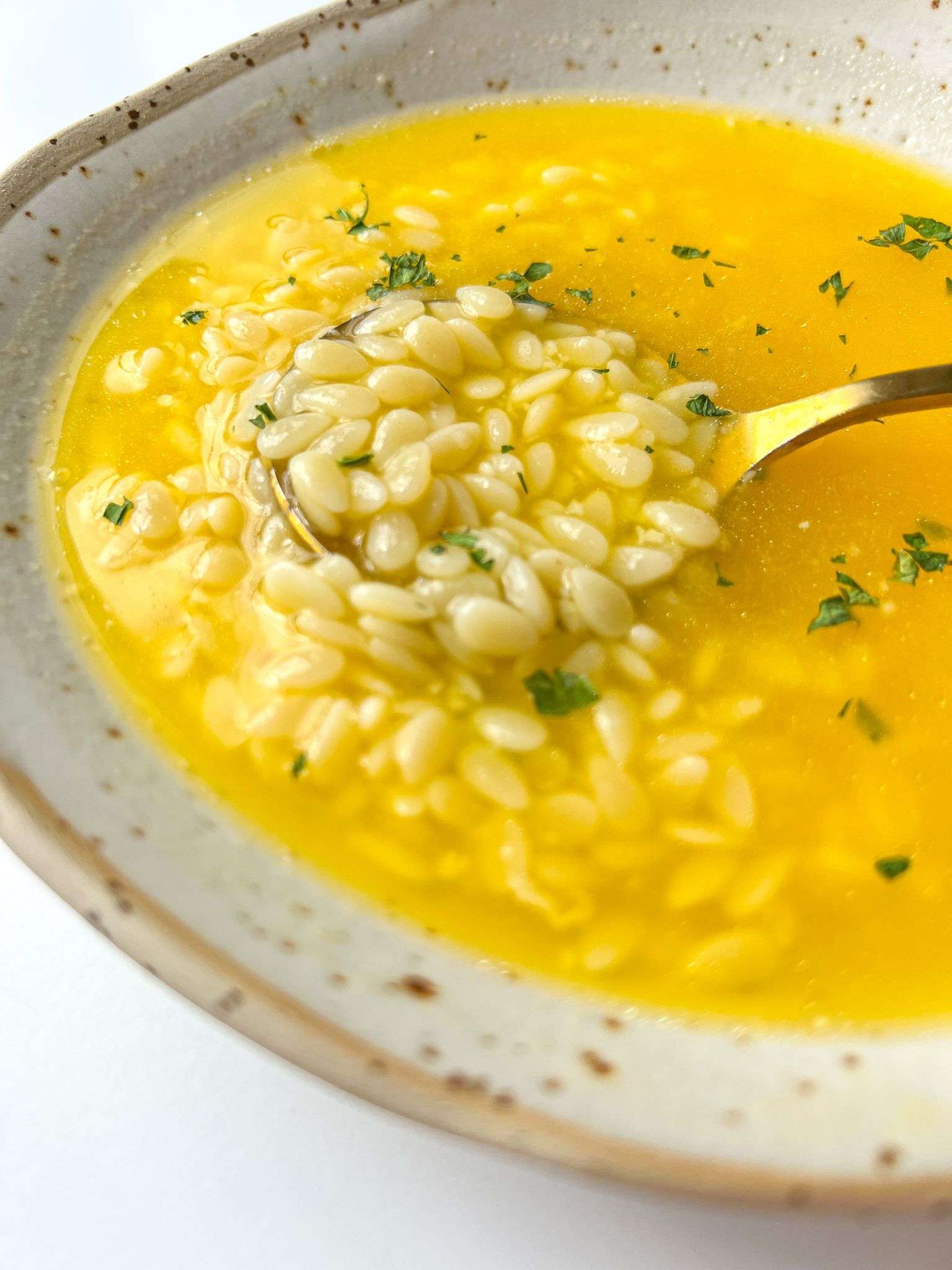
Nonna's Legacy: Your Complete Guide to Authentic Pastina Soup
There are dishes that simply nourish the body, and then there are those that speak directly to the soul.
Pastina soup, often affectionately known as "Italian Penicillin," firmly belongs to the latter category. This humble, yet profoundly comforting concoction of tiny pasta simmered in a savory broth is more than just a meal; it's a centuries-old tradition, a hug in a bowl, and a testament to the enduring power of simple, homemade goodness. Passed down through generations by Italian nonnas, this soup embodies care, healing, and the warm embrace of home. Whether you're battling a seasonal cold, feeling nostalgic for simpler times, or simply craving something genuinely soothing, a bowl of authentic
Pastina Soup: Unpacking Its Healing Comfort is the ultimate remedy.
In this comprehensive guide, we'll journey deep into the heart of
Pastina Soup: The Ultimate Italian Comfort Food & Nostalgia Guide. From its rich historical roots and emotional resonance to essential cooking tips, delightful variations, and smart storage solutions, consider this your definitive handbook for transforming basic ingredients into a masterpiece of comfort food. Prepare to unlock the secrets behind this iconic Italian creation and bring a piece of Nonna's enduring legacy into your own kitchen.
The Heartwarming Story of Pastina Soup: More Than Just "Little Pasta"
The very name "pastina" provides a direct clue to its essence: it simply means "little pasta" in Italian. Yet, this diminutive description belies the profound significance of this dish within Italian culture. Its legacy stretches back through generations, deeply woven into the fabric of everyday family life. For countless Italians, a spoonful of
pastina soup was quite literally one of the first tastes they ever experienced. Mothers and grandmothers meticulously prepared it as babies teethed, as toddlers recovered from sniffles, or simply when a gentle, easily digestible meal was needed.
This soup's universal appeal lies in its inherent simplicity and accessibility. Regardless of a family's wealth or region within Italy,
pastina soup was a staple. It could be crafted from rich, homemade chicken broth meticulously simmered for hours, or just as effectively, from a humble bouillon cube dissolved in water. The beauty wasn't in elaborate ingredients, but in the intention behind it – the warmth, the nourishment, and the undeniable sense of care it conveyed.
Beyond Italy's borders, particularly within Italian-American communities,
pastina soup retains its powerful cultural currency. It's a culinary touchstone, evoking potent memories of family gatherings, cherished handwritten recipes passed down through generations, and the profound, almost magical, healing power of food made with genuine heart. Each bowl served is not just food; it's a story, a connection to heritage, and a continuous thread of love passed from one generation to the next.
Why It's Called "Italian Penicillin": Unpacking Its Healing Powers
The moniker "Italian Penicillin" isn't merely a quaint saying; it's a testament to the dish's long-standing reputation as a formidable ally against illness. Much like the universally recognized comfort of chicken soup in other cultures, Italians instinctively turn to
pastina soup during cold and flu season, or whenever the body feels run down and in need of restorative comfort. But what precisely gives this seemingly simple soup its legendary healing properties?
The effectiveness lies in its thoughtfully chosen, yet remarkably humble, ingredients:
*
Warm Broth: Provides crucial hydration, soothes a sore throat, and helps clear congestion, warming the body from within.
*
Garlic and Onion: Often gently sautéed to form the flavor base, these alliums are renowned for their immune-boosting compounds and anti-inflammatory properties.
*
Tiny Pasta: Easy to digest, pastina offers a gentle source of carbohydrates, providing energy without taxing a weakened digestive system. It's ideal for sensitive stomachs.
*
Parmesan Cheese: A generous sprinkle adds not only a burst of umami flavor but also a touch of comforting fat and calcium, making the soup feel more substantial and satisfying.
*
Optional Egg Ribbons (Stracciatella): Whisked eggs slowly streamed into the hot broth create delicate, silky ribbons that add protein, richness, and a luxurious texture, making the soup feel even more nourishing and indulgent – truly a "hug in a bowl."
While
pastina soup is undeniably a go-to for sickness, its appeal isn't limited to recovery. It's equally cherished as a simple, light meal on a chilly evening, a quick supper after a long day, or anytime one craves that unique combination of warmth, simplicity, and pure comfort. It’s a versatile dish designed to make you feel good, inside and out.
Crafting Your Own Bowl of Comfort: Essential Tips for Perfect Pastina Soup
Creating a perfect bowl of
pastina soup at home is surprisingly straightforward, yet a few key considerations can elevate it from good to truly exceptional, mirroring Nonna’s authentic touch.
The Foundation: Quality Broth is Key
The broth is the soul of your
pastina soup.
- Homemade vs. Store-Bought: While a slow-simmered homemade chicken or vegetable broth offers unparalleled depth and flavor, a high-quality store-bought broth or even bouillon can work wonderfully in a pinch. Opt for low-sodium varieties to control the seasoning.
- Flavor Boost: For store-bought broth, enhance its profile by simmering it with aromatics like a halved onion, a few garlic cloves, and a bay leaf for 15-20 minutes before adding the pasta.
Mastering the Pastina
- Choosing Your Pastina: While "pastina" is a general term, popular shapes include *stelline* (tiny stars), *anellini* (small rings), *acini di pepe* (peppercorns), and even *orzo* (rice-shaped). Each offers a slightly different texture experience.
- Cooking Tips: Cook pastina directly in the broth. Be mindful of cooking times; these tiny pastas cook quickly, often in just 3-5 minutes. Cook until *al dente* to prevent it from becoming mushy, especially if you plan on leftovers. The pastina will continue to absorb liquid and soften even after heat is removed.
Simple, Tender Vegetables
Traditionally,
pastina soup is quite minimalist, but tender vegetables can enhance both flavor and nutrition.
- Classic Additions: Finely diced carrots and celery, cooked until tender, are common. Sauté them gently with onion and garlic before adding broth.
- Greens: Stir in a handful of fresh spinach or finely chopped kale during the last minute of cooking for a vibrant, healthy boost.
Finishing Touches: The Secret to Nonna's Magic
- Parmesan Power: Freshly grated Parmigiano-Reggiano is non-negotiable. Stir some into the hot soup just before serving and offer extra for sprinkling. Its salty, nutty notes are crucial.
- Egg Ribbons (Stracciatella): For an extra layer of richness and body, whisk 1-2 eggs with a pinch of salt and pepper. While the soup is simmering, slowly drizzle the egg mixture into the hot broth in a thin stream, stirring gently with a fork to create delicate ribbons.
- Fresh Herbs: A sprinkle of fresh chopped parsley or basil just before serving adds a bright, aromatic finish.
- A Drizzle of Gold: A final drizzle of high-quality extra virgin olive oil over each bowl adds a beautiful sheen and subtle fruity notes.
Serving and Dietary Adaptations
Serve your
pastina soup piping hot, perhaps alongside some crusty Italian bread for dipping.
- Gluten-Free: Many brands now offer gluten-free tiny pasta shapes.
- Vegetarian/Vegan: Use a robust vegetable broth. For vegans, nutritional yeast can mimic a cheesy flavor, and omit the egg ribbons.
- Dairy-Free: Omit Parmesan or use a plant-based grated cheese alternative.
Beyond the Basics: Variations and Storage Hacks
While the classic
pastina soup is perfection in its simplicity, it’s also incredibly versatile. Nonnas, always resourceful, often adapted the recipe based on what was available.
Creative Variations to Explore
- Heartier Proteins: Add shredded cooked chicken (perfect for using up leftovers from a roasted chicken) or tiny, homemade Italian meatballs for a more substantial meal.
- Vegetable Medley: Experiment with other finely diced vegetables like zucchini, peas, or green beans.
- Tomato Touch: For a slightly different flavor profile, add a tablespoon or two of tomato paste to your aromatics, or a splash of crushed tomatoes to the broth for a rosier, subtly tangy soup.
- Herbaceous Twists: Beyond parsley, a pinch of dried oregano or fresh thyme can introduce different aromatic dimensions.
Smart Storage and Reheating
One of the beauties of
pastina soup is how well it keeps, making it perfect for meal prep or emergency comfort food.
- Cooling and Refrigerating: Allow the soup to cool completely before transferring it to an airtight container. It will keep well in the refrigerator for 3-4 days.
- Freezing: For longer storage, freeze cooled soup in individual portions. It can last for up to 2-3 months.
- The Pasta Dilemma: A common issue with leftover pastina soup is that the tiny pasta continues to absorb broth, becoming very soft and mushy, and reducing the liquid.
- Hack 1 (Recommended): If you plan to make a large batch for storage, consider cooking the pastina separately. When serving, add a spoonful of cooked pastina to each bowl and ladle hot broth over it.
- Hack 2: If you've already cooked the pastina in the broth, you may need to add a splash more broth or water when reheating to restore the desired consistency.
- Reheating: Gently reheat on the stovetop over medium-low heat, stirring occasionally. Avoid boiling vigorously, especially if there are egg ribbons, to maintain their delicate texture.
Embrace Nonna's Comfort
Pastina soup is far more than just "little pasta" in broth; it's a profound cultural emblem, a potent symbol of love, healing, and the enduring power of family. It’s a dish that transcends generations and reminds us that sometimes, the simplest things are the most comforting and truly nourishing. By understanding its history, appreciating its healing properties, and mastering a few key techniques, you can easily recreate this timeless classic in your own kitchen. So, the next time you're seeking a moment of peace, a dose of gentle healing, or simply a connection to the heartwarming traditions of Italy, turn to Nonna's legacy. Make a bowl of authentic
pastina soup, and feel the comforting embrace of generations past.