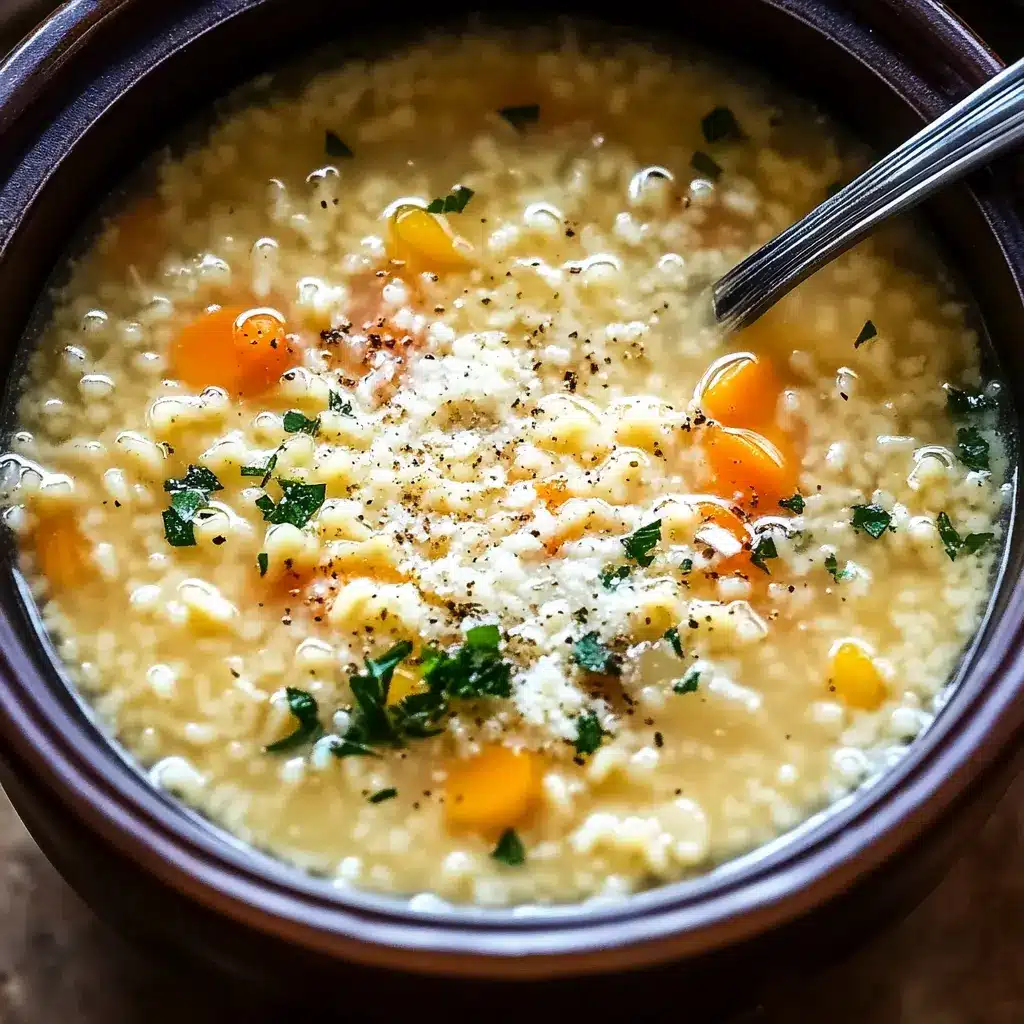
Pastina Soup: The Ultimate Italian Comfort Food & Nostalgia Guide
There are certain dishes that transcend mere sustenance, becoming a warm embrace, a whisper of childhood, and a powerful antidote to the blues. For countless individuals, especially those with Italian heritage, a steaming bowl of pastina soup is exactly that. It’s more than just tiny pasta in broth; it's a culinary hug, a symbol of a nonna's love, and a staple that has soothed souls and bodies across generations.
Often affectionately dubbed “Italian Penicillin,” pastina soup is renowned for its legendary healing qualities. Whether you're battling a seasonal cold, feeling a pang of homesickness, or simply craving something warm and deeply comforting, this timeless recipe delivers solace by the spoonful. It features microscopic pasta pearls gently simmered in a savory, aromatic broth, often elevated with tender vegetables, a dusting of Parmesan, and sometimes delicate egg ribbons.
This comprehensive guide invites you on a journey into the heart of pastina soup. We'll explore its rich history and profound emotional roots, delve into why it’s considered a healing elixir, and provide you with expert tips, delicious variations, and smart storage hacks to help you master this humble yet mighty dish in your own kitchen. Prepare to transform a handful of simple ingredients into a bowl of pure, heartwarming comfort.
The Heartwarming History of Pastina: More Than Just "Little Pasta"
The story of pastina soup begins in the bustling, loving kitchens of Italy, tracing a legacy that spans generations. The word "pastina" itself is beautifully straightforward, translating to "little pasta." And that’s precisely what lies at the heart of this iconic dish: a collection of minuscule pasta shapes – think stelline (little stars), anellini (tiny rings), or acini di pepe (peppercorns) – gently cooked until tender in a flavorful broth.
For many Italians and Italian-Americans, pastina soup isn't just a dish; it's one of their earliest culinary memories. It was the food prepared by mothers and grandmothers (nonnas) when babies were teething, when children were sick, or simply when a little extra comfort was needed. Its inherent simplicity and economical ingredients made it accessible to every household, irrespective of social standing or regionality. From robust, homemade chicken broths simmered for hours to a quick version made with a bouillon cube and water, the essence of warmth and care always shone through.
What truly elevates pastina soup beyond a simple recipe is the profound emotional bond it forges. Every spoonful tells a story of tradition, of nourishment, and of unconditional love passed down through the family lineage. It's a culinary heirloom, a testament to the power of food to connect us to our past and to one another. Even for those outside of Italy, particularly within Italian-American communities, pastina soup remains a powerful symbol – a nostalgic reminder of bustling family dinners, cherished handwritten recipes, and the undeniable healing power of food made with heart and soul.
Why Pastina Soup is "Italian Penicillin" (and Beyond)
The endearing nickname “Italian Penicillin” isn't merely a quaint turn of phrase; it's a testament to pastina soup’s long-standing association with healing and recuperation. Much like chicken soup holds a sacred place in many other cultures, Italians instinctively turn to this soothing broth during cold and flu season, or whenever the body and spirit feel run down. Unpacking Pastina Soup's Healing Comfort reveals just how deeply ingrained this belief is.
The genius of pastina soup lies in its unassuming yet remarkably effective ingredients:
- Warm Broth: The cornerstone of the soup, warm broth provides essential hydration and helps to soothe a sore throat or congested nasal passages. The gentle steam rising from the bowl can also offer immediate relief.
- Garlic and Onion: These aromatic powerhouses are not just for flavor. They contain compounds known for their immune-supporting properties, such as allicin in garlic, which has natural antimicrobial effects.
- Tiny Pasta: The hallmark of the dish, pastina offers easily digestible carbohydrates, providing gentle energy without overwhelming a sensitive stomach. Its soft texture is ideal for those with limited appetites.
- Parmesan Cheese: A sprinkle of freshly grated Parmigiano-Reggiano adds a layer of umami depth, a dose of calcium, and an undeniable psychological comfort that only cheese can provide.
- Optional Egg Ribbons: Stirring in a beaten egg at the end creates silky, delicate ribbons that add a boost of protein and a luxurious richness, making the soup feel even more like a comforting hug in a bowl.
While celebrated for its restorative powers, pastina soup isn't exclusively reserved for sick days. Its gentle nature, subtle flavors, and profound comfort make it an ideal meal for chilly evenings, a light lunch, or anytime you simply need a little extra care. It nourishes not just the body, but also the soul, proving that sometimes, the simplest things are the most profound.
Crafting Your Perfect Bowl: Tips, Variations & Serving Ideas
Creating a truly magnificent bowl of pastina soup is a joyful and simple endeavor. While the basic premise is straightforward, a few key considerations can elevate your soup from good to unforgettable. For a deeper dive into traditional methods, you might explore Nonna's Legacy: Your Complete Guide to Authentic Pastina Soup.
Essential Ingredients for Success:
- The Broth: This is the soul of your soup. A high-quality chicken broth (homemade is best, but a good store-bought organic option works wonders) or a rich vegetable broth forms the foundation.
- Pastina: Choose your favorite tiny pasta shape – stelline, anellini, or acini di pepe are traditional. Their small size cooks quickly and is gentle on the palate.
- Aromatics: Finely minced garlic and onion (or a mirepoix of carrots, celery, and onion) provide a flavorful base.
- Finishing Touches: Freshly grated Parmesan cheese and a sprinkle of fresh parsley are non-negotiable for authenticity and flavor.
- Optional Additions: A whisked egg for ribbons, a splash of olive oil, or a squeeze of fresh lemon juice can brighten the flavors.
Expert Tips for a Perfect Pastina:
- Broth Quality Matters: Invest in or make the best broth you can. It forms the backbone of the soup’s flavor.
- Don't Overcook the Pastina: While some prefer pastina very soft for comfort, cooking it just past al dente ensures it retains a slight bite and doesn't become mushy. Keep an eye on it, as these tiny pastas cook quickly!
- Season Gradually: Salt and pepper to taste. Remember that Parmesan will add salinity, so adjust accordingly.
- Fresh Herbs: A touch of fresh parsley or even a tiny bit of basil at the end brightens the flavor profile.
Creative Variations to Explore:
- Vegetable Boost: Add finely diced carrots, celery, or a handful of fresh spinach during the last few minutes of cooking for extra nutrients and color.
- Protein Power-Up: Shredded cooked chicken (perfect for leftover rotisserie chicken) or tiny homemade meatballs can transform it into a more substantial meal.
- Creamier Indulgence: A small splash of milk or light cream stirred in at the very end, alongside the Parmesan, creates a slightly richer, more decadent texture.
- Lemon Zest Brightness: A tiny grating of lemon zest or a squeeze of fresh lemon juice can cut through the richness and add a delightful fresh note.
Serving Suggestions:
Serve your pastina soup piping hot, garnished with a generous amount of freshly grated Parmigiano-Reggiano and a sprinkle of fresh parsley. A drizzle of high-quality extra virgin olive oil before serving adds a luxurious finish. It pairs beautifully with crusty Italian bread for dipping, or as a light starter to a larger meal. For true comfort, enjoy it in your favorite mug, wrapped in a cozy blanket.
Smart Storage Hacks:
Pastina, being tiny and absorbent, tends to soak up broth over time. To preserve optimal texture for leftovers, consider cooking and storing the pastina and broth separately if you anticipate having a lot left. Reheat the broth gently and add freshly cooked pastina just before serving. If you've already combined them, simply add a splash more broth or water when reheating to loosen the soup back to your desired consistency.
Bringing Pastina Home: Modern Kitchen Hacks & Dietary Adaptations
While pastina soup is steeped in tradition, it effortlessly adapts to the demands of the modern kitchen and various dietary needs. Its versatility is part of its enduring appeal.
Modern Kitchen Hacks for Busy Lives:
- Speedy Broth: Don't have hours to simmer bone broth? Use a quality store-bought broth, or quickly whip up a homemade version in an Instant Pot using a rotisserie chicken carcass.
- Prep Ahead: Chop your aromatics (onions, carrots, celery) in advance. Many grocery stores even sell pre-chopped mirepoix mixes, saving you precious minutes.
- Batch Cooking: Make a larger batch of the broth base, then cook pastina fresh each time you want a bowl. This prevents the pasta from becoming overly swollen.
Dietary Adaptations for Everyone:
- Gluten-Free: The market now offers excellent gluten-free pastina or other tiny gluten-free pasta shapes that work beautifully in this soup, ensuring everyone can enjoy its comfort.
- Dairy-Free/Vegan: Opt for a robust vegetable broth. Instead of Parmesan, nutritional yeast can provide a cheesy, umami flavor. Simply omit the egg for a completely plant-based version.
- Low-Sodium: Choose low-sodium broths and vegetables. Control the amount of salt you add, relying more on herbs and a squeeze of lemon for flavor enhancement.
- Baby/Toddler-Friendly: For the youngest members of the family, ensure all vegetables are very finely diced or even pureed into the broth. Cook the pastina extra soft and check the temperature carefully. Many parents find this to be a perfect first solid food.
Pastina soup is truly a testament to culinary adaptability. It’s a dish that respects its origins while welcoming innovation, making it a perfect fit for any contemporary household looking for a taste of timeless comfort.
A Bowlful of Heritage, A Spoonful of Love
From its humble beginnings in Italian nonnas' kitchens to its revered status as "Italian Penicillin," pastina soup remains an enduring symbol of comfort, healing, and profound love. Its simplicity belies its powerful ability to soothe, nourish, and transport us back to cherished memories. Whether you're seeking solace on a chilly evening, nursing a cold, or simply yearning for a taste of tradition, a bowl of this delicate, heartwarming soup is the ultimate answer. We encourage you to embrace this culinary legacy, experiment with its versatility, and share the comforting warmth of pastina soup with your loved ones, passing on a tradition that truly speaks to the soul.
